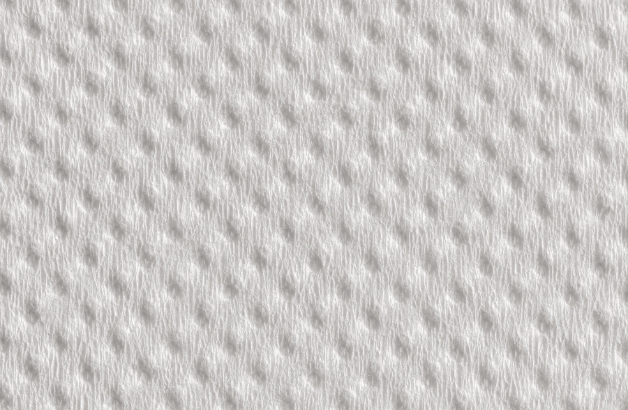
Within the landscape of technical materials, one technology that continues to play a key role in functional and industrial applications is that of air-laid nonwoven materials. Understanding what they are, how they are evolving within the global market and which dynamics are driving their growth provides a clearer perspective on the evolution of the technical materials industry.
What are air-laid nonwoven materials?
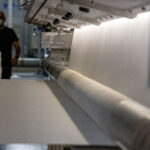
Air-laid nonwoven materials are produced through a process in which fibers are dispersed in an air stream and deposited in a controlled way onto a forming belt. Fiber cohesion can then be achieved through mechanical, thermal or chemical bonding systems, resulting in a uniform and functional fibrous structure.
This technology stands out for its ability to provide:
- high uniformity in fiber distribution
- precise basis weight control
- good absorbency properties
- adaptability to different performance requirements
These characteristics make air-laid nonwoven materials suitable for many applications where functionality, more than aesthetics, is the determining factor.
The global market and its size
According to recent analyses, the global air-laid materials market continues to show steady growth trends. In 2022, production was estimated at around 574,800 tons, with a market value of approximately USD 2 billion. Significant growth is expected in the coming years: between 2022 and 2027, the air-laid market is projected to expand both in volume and value, reflecting increasing demand for technical and hygiene-related applications.
Several industry reports also estimate that the global air-laid products market could reach approximately USD 3.9 billion by 2031, with a compound annual growth rate (CAGR) of around 6.3% between 2022 and 2031.
These figures highlight stable and significant growth, particularly in segments such as personal hygiene, wipes and other applications where absorbency and controlled performance are essential requirements.
What is driving market growth?
The expansion of air-laid nonwoven materials is supported by several market drivers.
1. Demand in hygiene and medical segments
The growth of personal hygiene and healthcare products is increasing the demand for high-performance and reliable materials, including air-laid solutions capable of combining absorbency and comfort.
2. Sustainability and product innovation
Attention to manufacturing efficiency and waste reduction is becoming increasingly important. Higher-performance materials can contribute to lower waste generation and more efficient use of resources, aspects that are gaining importance for both manufacturers and end users.
3. Geographic expansion of demand
Globally, regions such as Asia-Pacific are experiencing strong growth dynamics, driven by population growth, the increasing adoption of hygiene products and overall industrial development.
Future outlook
In the coming years, the evolution of the air-laid nonwoven materials market will be influenced by:
- innovations in manufacturing processes
- research into new fiber combinations
- growing interest in lower environmental impact solutions
- evolving regulations across application sectors
The expected growth in technical segments suggests that this technology will continue to gain relevance, especially in applications where consistent performance and material quality are essential requirements.